Ingredients

Cleansing Balm vs Cleansing Oil

Cleansing Balm vs Cleansing Oil

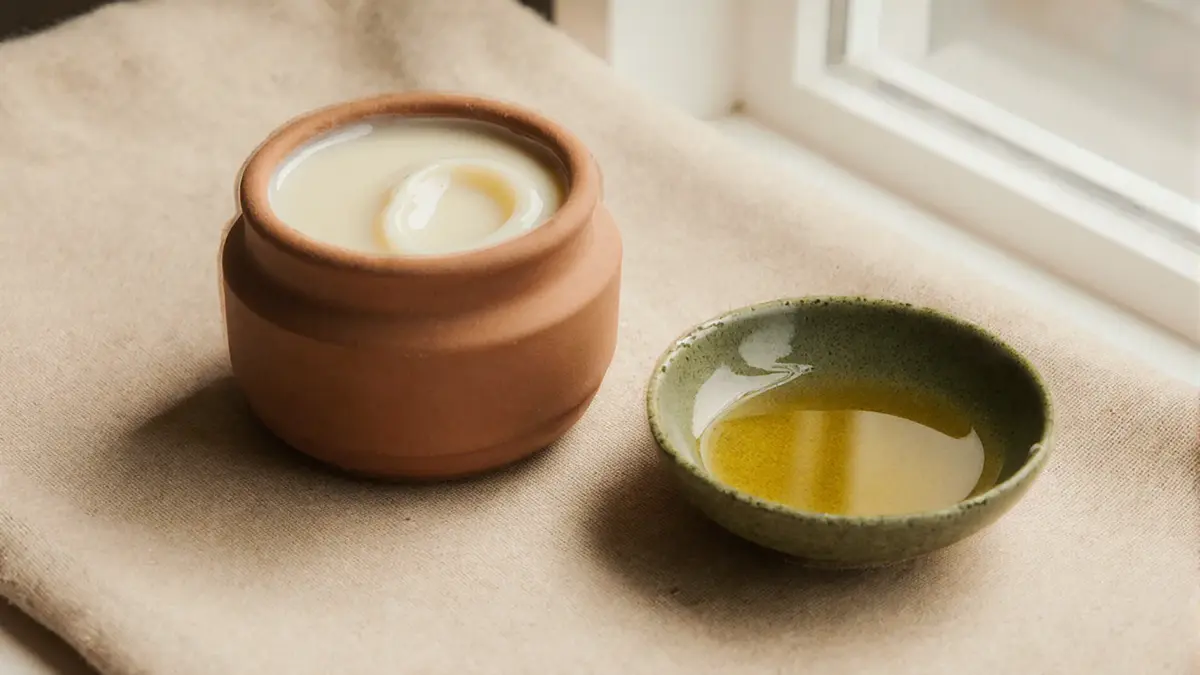
A cleansing balm and a cleansing oil solve the same problem — dissolving makeup, SPF and sebum through oil chemistry rather than water and surfactant alone — but they start life in a different physical state: a balm is solid or semi-solid at room temperature and melts into an oil the moment it meets warm skin, while a cleansing oil is already liquid straight out of the bottle. That one difference in starting texture drives almost every other distinction between the two formats — how each feels going on, how practical each is to pack, and how each behaves once water gets involved. One honest note before going further: CapyOnsen doesn’t currently make a cleansing balm. This page is general format education, not a pitch for a product we sell.

What a Cleansing Balm Actually Is

A cleansing balm is a blend of oils, butters and waxes formulated to be solid, or close to it, at room temperature — typically packaged in a jar or tin rather than a bottle. You scoop out a small amount with dry fingers (or a spatula, on formulas that discourage finger contact), and it sits on skin as a firm, waxy texture until your own body heat gets to work. Once it warms — usually within seconds of massaging — the balm liquefies into an oil and behaves exactly like a cleansing oil: dissolving oil-based makeup, SPF and sebum through simple “like dissolves like” chemistry.

What a Cleansing Oil Actually Is

A cleansing oil is a liquid oil blend, already fluid at room temperature, dispensed from a bottle or pump rather than scooped from a jar. It skips the melting step entirely — there’s no waxy phase to warm through — because it’s already in the state a balm only reaches partway through use. The underlying chemistry is identical to a balm’s: an oil-based formula dissolving oil-based residue. We’ve covered how a liquid cleansing oil compares to a cleansing milk, rather than a balm, in oil cleanser, milk cleanser, or both?

The Core Difference: Solid-to-Oil vs Already-Liquid

Everything else about the two formats traces back to this one structural choice. A balm has to change state before it can do its job — from solid to liquid, driven by the warmth of your hands and face — which means the first several seconds of using one feel noticeably different from the rest of the cleanse. A cleansing oil never changes state at all; it does its dissolving work in the same liquid form from first touch to final rinse. Neither approach is objectively better. A balm’s solid starting state is a deliberate formulation choice, usually made for packaging or in-hand feel — not a sign that it’s a “stronger” or “weaker” cleanser than a liquid oil built around the same basic chemistry.

How Each One Feels on Skin

A balm typically feels thick and slightly resistant at first — you can feel the texture transitioning underneath your fingers as it warms, which some people enjoy as a small ritual moment and others find slows the cleanse down. Once fully melted, it moves and glides the same way an oil does. A cleansing oil skips that transition and feels fluid and slippery from the very first contact. If you already know you dislike waiting through a warm-up phase, that’s a reasonable basis for preferring a liquid oil over a balm — it changes how the first ten seconds of every cleanse feel.

Travel and Practicality Considerations

Packing a Balm

A solid or semi-solid balm generally travels differently from a liquid: less risk of a leaking bottle, and many people find a firm balm easier to handle in a shared bathroom or gym bag precisely because it isn’t sloshing around behind a lid that can fail. It’s worth being careful here rather than definitive — airport rules around what counts as a “liquid, gel or paste” vary by country and by how solid a specific balm is at room temperature, so check current guidance rather than assuming a balm is automatically exempt. A balm’s other travel weakness is heat: left in a hot car or a warm suitcase in transit, a solid balm can partially or fully melt in the jar — not a safety issue, but messier to use afterward.

Packing an Oil

A cleansing oil is a liquid from the first day you open it to the last, so it’s always subject to whatever liquid restrictions apply where you’re travelling, and a compromised pump or cap is the main spill risk. What it doesn’t have is a balm’s heat sensitivity — there’s no solid state to lose, so a warm suitcase changes very little about how it performs. For most people the trade-off comes down to which risk feels more manageable: a balm’s occasional melt-in-transit versus an oil’s baseline liquid-restriction and spill considerations.

How Each Format Emulsifies (or Doesn’t)

How a Cleansing Balm Emulsifies

Once a balm has melted into an oil on your skin, what happens next depends entirely on the specific formula, not on “balm” as a category. Some cleansing balms are built with an actual emulsifier in the mix, and turn milky the moment you add water — the exact same emulsification mechanism a cleansing oil relies on, just reached by way of a solid starting point rather than a liquid one. Other balms are formulated as wipe-off only, with no emulsifier at all, and are designed to be removed with a warm, damp cloth or a tissue rather than rinsed with running water. This is the single most important thing to check on any cleansing balm before you buy it: “cleansing balm” describes a texture, not a promise about how it comes off, and the two sub-types behave completely differently at the sink.

How a Cleansing Oil Emulsifies

A liquid cleansing oil built to rinse clean needs the same three things any oil-to-milk formula needs: an actual emulsifier present in the formula, water added gradually rather than all at once, and enough massage to distribute both evenly. We’ve written the complete step-by-step technique — including the mistakes that stop emulsification from happening at all — in how to properly emulsify a cleansing oil. Our own Oil-to-Milk Cleanser is a working example of the mechanism: it’s certified organic (39% organic ingredients), vegan and dermatologically tested, and uses sugar-derived emulsifiers — specifically sucrose laurate and sucrose palmitate — that sit inert in the oil phase until water arrives, then pull the whole formula into the milky texture the product is named for.

What Each Format Is Typically Made From

In general terms — not specific to any one brand’s formula — a cleansing balm’s solid texture usually comes from plant butters (shea and cocoa butter are common) and waxes (beeswax or a plant-derived wax) blended with liquid oils, responsible for holding a solid shape at room temperature. A cleansing oil, with no solid-state requirement to satisfy, is typically built from plant oils alone, or plant oils plus an emulsifier where the format is designed to rinse clean rather than wipe off. Neither approach is inherently gentler or more effective; the choice mostly reflects the texture and packaging a brand is aiming for, not a difference in how thoroughly the finished product cleanses.

Does CapyOnsen Make a Cleansing Balm?

No, and we’d rather say so directly than let this comparison imply otherwise. What we do make is an Oil-to-Milk Cleanser — a liquid cleansing oil, not a balm, built to emulsify into a milky texture on contact with water rather than requiring a wipe-off cloth. If a balm’s travel practicality or in-hand feel is the specific draw, that’s a fair reason to look elsewhere; if what appealed to you was a thorough, rinse-clean oil-based cleanse, oil cleanser, milk cleanser, or both? covers how ours compares to a milk-only cleanser.

Which Should You Choose?

  • You travel light and prefer fewer liquid-restriction headaches. A solid balm is worth considering, with the airport-rules caveat above.
  • You dislike waiting through a warm-up phase. A liquid cleansing oil gets to work immediately, with nothing to melt through first.
  • You live somewhere hot, or your bag sits in heat during travel. A liquid oil has no solid state to lose in transit, so heat changes very little about how it performs.
  • You want a formula that rinses fully clean, with no cloth required. Check specifically for an emulsifying balm or an oil-to-milk cleansing oil — “rinses clean” is a formula-specific promise, not something either format guarantees by default.

Common Mistakes With Either Format

  • Massaging a balm before it’s actually melted. Rushing this means working with a half-solid, half-liquid texture that drags rather than glides — give it the few extra seconds it needs to fully warm through.
  • Assuming any cleansing balm rinses off. Some are wipe-off only. Check the specific formula’s instructions rather than assuming based on the word “cleansing” alone.
  • Adding water to an oil too fast. This stops any oil-to-milk formula, balm or bottle, from emulsifying properly — gradual water, not a splash all at once, triggers the texture change.

Quick Answers

Is a cleansing balm the same as a cleansing oil?

They rely on the same oil-based dissolving chemistry, but a balm starts solid and melts into an oil on contact with warm skin, while a cleansing oil is already liquid from the first touch. That difference in starting state is what separates the two formats.

Does a cleansing balm rinse off?

It depends on the specific formula. Some balms contain an emulsifier and turn milky with added water, rinsing clean the same way an oil-to-milk cleanser does. Others are wipe-off only, meant to come off with a cloth rather than running water. Check the individual product rather than assuming based on the word “balm.”

Which is better for travel, a balm or an oil?

A solid balm generally has less spill risk but can melt in heat during transit; airport liquid-restriction rules also vary by country and by how solid the specific balm is, so check current guidance rather than assuming either format is exempt. A liquid oil is always subject to liquid rules but has no heat-driven state change to worry about.

Does CapyOnsen sell a cleansing balm?

No. We make a liquid cleansing oil — the Oil-to-Milk Cleanser — that emulsifies into a milky texture on contact with water. If a balm’s texture or travel practicality is specifically what you’re after, that’s a genuinely different product than the one we make.

The honest summary is that “balm” and “oil” describe a starting texture, not a difference in how well either one cleanses. Choosing between them comes down to how you want that texture to feel and travel. For the oil-versus-milk comparison, see oil cleanser, milk cleanser, or both?, and for the emulsifying technique itself, how to properly emulsify a cleansing oil.