Hair

Shampoo Bars vs Liquid Shampoo

Shampoo Bars vs Liquid Shampoo

Short answer: a shampoo bar is a solid, concentrated block of cleansing ingredients that you wet and work through your hair by hand, in place of squeezing liquid out of a bottle — and we should say upfront that we don’t make one. Nothing below is building toward a CapyOnsen bar that doesn’t exist; this is a plain look at the format itself, because it’s one of the most-searched things around “natural shampoo” right now and we didn’t have anywhere honest to send you. The real differences between a bar and a bottle come down to how concentrated the formula is, how you actually use it, how it behaves in your local water, and how it travels — and depending on those factors, a bar can suit some routines noticeably better than others, and a liquid formula can suit the rest just as well.

What Is a Shampoo Bar, Exactly?

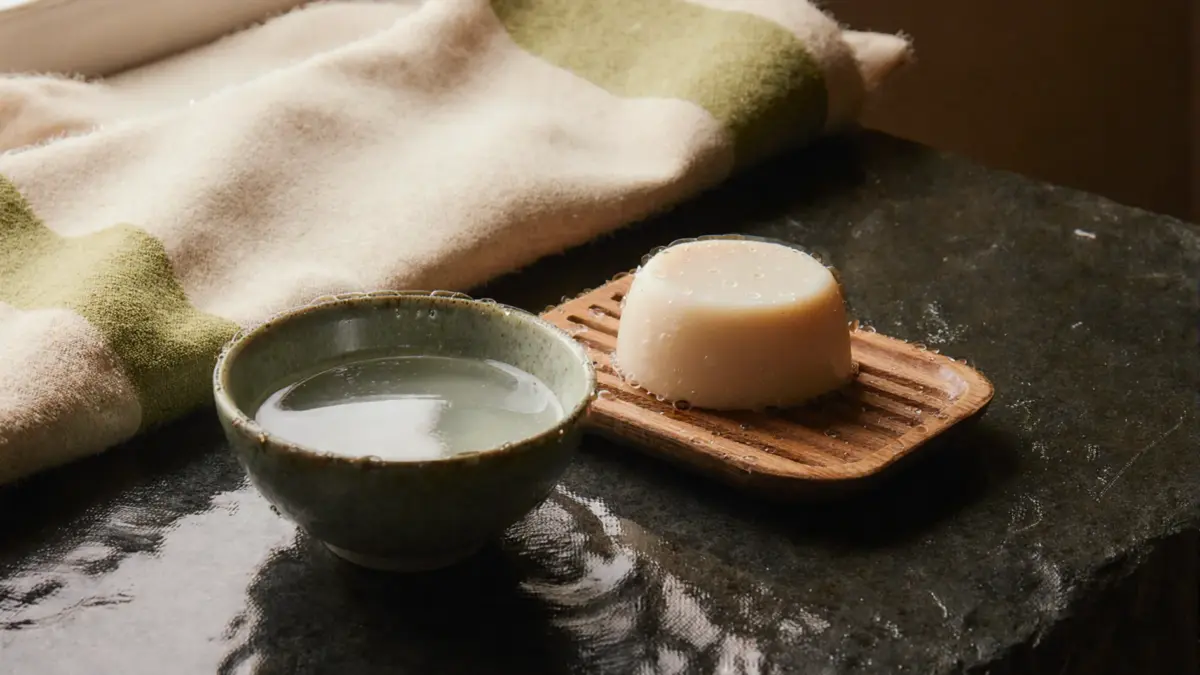
A shampoo bar is exactly what it sounds like: a solid block, similar in shape and handling to a bar of soap, made from cleansing ingredients formulated to set solid rather than stay liquid. Broadly, there are two different chemistries behind that solid block, and they behave quite differently in use. A true soap bar is made through saponification — oils and fats reacted with an alkali — the same basic chemistry as a traditional bar of soap, just formulated for hair rather than skin. A syndet bar (short for “synthetic detergent”) uses the same type of surfactants found in liquid shampoo, just formulated with far less water so the mixture sets solid instead of staying pourable. The two look almost identical on a shelf and both count as “a shampoo bar,” but the chemistry underneath is genuinely different, and that difference is where most of the format’s reputation — good and bad — actually comes from.

How the Formulation Actually Differs From a Bottle

The single biggest formulation difference is water. A typical liquid shampoo is mostly water, with cleansing agents and everything else making up a comparatively small percentage of the bottle. A bar strips almost all of that water out, concentrating the actual cleansing ingredients into a much smaller, denser format — which is why a single bar is commonly reported to outlast a bottle of liquid shampoo several times over, wash for wash. Removing the water also means the formula needs something to hold it together as a solid rather than a pourable liquid, which is a real formulation challenge bar-makers solve differently depending on whether they’re working with a true-soap or syndet base.

How You Actually Use One (And Why It Feels Different at First)

Using a bar is a genuinely different physical action, not just a different container. Instead of squeezing a measured amount into your palm, you either rub the wet bar directly against wet hair and scalp to build up lather in place, or rub it briefly between wet hands first and then work that lather through your hair — both are common techniques, and which one lathers better tends to depend on the specific bar. That’s a real technique to learn, genuinely different from decades of squeeze-and-pour muscle memory, and it’s a big part of why some people’s first attempt with a bar feels clumsy or under-lathered compared with their usual bottle. It’s as much a technique issue as a formulation one, and it tends to get easier by the second or third wash, purely from repetition.

What Really Happens With Hard Water

This is the single biggest source of split opinions on shampoo bars online, and it comes down to that same soap-versus-syndet split. Hard water contains dissolved calcium and magnesium, and true soap — the saponified kind — reacts with those minerals to form an insoluble residue, sometimes described as “soap scum” or a waxy film, the same reaction that leaves a ring around a bathtub in a hard-water area. On hair, that reaction is widely reported to show up as a dull, coated, or waxy feeling that doesn’t rinse out cleanly, and it’s a real, well-documented chemical reaction rather than a matter of a bar simply being “bad.” A syndet bar generally avoids this specific problem, because synthetic surfactants don’t react with hard-water minerals the way true soap does — which means two bars marketed almost identically as “natural shampoo bars” can perform completely differently in the exact same shower, purely because of which chemistry is underneath the label. If you’re in a hard-water area and considering a bar, which type it actually is matters more than almost anything else on the packaging.

How Long Does the Adjustment Period Actually Take?

Widely and consistently reported: somewhere between a handful of washes and a few weeks, and it tends to run longer with a true-soap bar in hard water than with a syndet bar or soft water. Some of that adjustment is genuinely about hair and scalp settling into a new routine and old product residue clearing out — the same kind of settling-in period that happens with any shampoo switch, which we’ve written about honestly and without the “detox” language that tends to surround it. With a bar specifically, some of the adjustment is also about technique catching up — how much you lather, how thoroughly you rinse, and whether you’re fighting a hard-water reaction that a rinse step some bar users add afterwards (a diluted vinegar or citric-acid rinse, specifically to counter mineral buildup) can help with. None of that is unique to “natural” formulas as a category; it’s specific to the solid, concentrated, technique-dependent nature of a bar.

Shampoo Bars and Travel

This is where the format has a genuine, uncomplicated advantage. A solid bar isn’t a liquid, so it isn’t subject to carry-on liquid restrictions, it can’t leak or spill inside a wash bag the way a half-used bottle can, and it’s lighter per wash than the equivalent bottle once you account for all the water a liquid shampoo is carrying. The practical trade-off is storage: a bar needs to actually dry out between uses, ideally on a draining dish or tin, or it turns soft and mushy sitting in a damp wash bag — a genuinely different kind of maintenance than a bottle with a cap ever requires, and worth planning for if travel is the main reason you’re considering one.

Who Actually Suits Each Format

A bar tends to suit people who specifically want to cut down on plastic bottles and liquid volume, who travel often enough that the carry-on advantage matters, and who don’t mind a short adjustment period plus a drying-dish habit in exchange for those things. A liquid shampoo tends to suit people in a hard-water area who’d rather not deal with a mineral-reaction wildcard, anyone who wants a formula that behaves the same way from the very first wash without a settling-in period, and anyone who’s already found a liquid routine that genuinely works and isn’t looking to relearn a technique to solve a problem they don’t have. Neither is the objectively “better” format — they’re solving slightly different problems, and which one is worth the trade-off depends mostly on your own water and your own patience for an adjustment period, not on anything inherently superior about a solid versus a liquid.

If a Liquid Formula Is What You’re After

We don’t make a shampoo bar, and we’re not going to pretend one of our liquid products is a substitute for the format if what you actually want is the plastic-free, travel-friendly side of things — that’s a genuinely different product, and it deserves an honest recommendation to go looking for a proper one rather than us stretching a bottle to fit. What we can speak to directly is our own Moisturising Shampoo: it’s COSMOS Natural certified with 99% natural origin, vegan, gluten-free and nut-free, built around aloe leaf juice alongside sea kale, ginkgo and burdock root extract, and made in the EU at the same certified lab as the rest of the range. It’s a gentler-cleansing liquid formula rather than a bar, with none of the water-content, technique, or hard-water variables above — the full breakdown of what’s in it and who it suits is written up separately, including the one thing worth knowing upfront: it isn’t fragrance-free.

FAQ

What is a shampoo bar?

A solid, concentrated block of hair-cleansing ingredients, used by wetting the bar and your hair and working up a lather by hand, instead of pouring liquid shampoo from a bottle. It’s either a true soap bar (saponified oils) or a syndet bar (surfactant-based, like liquid shampoo with most of the water removed).

Are shampoo bars better than liquid shampoo?

Not objectively — they suit different situations. Bars cut down on plastic and liquid volume and travel well; liquid shampoo behaves predictably from the first wash and avoids any hard-water reaction. Which is “better” depends on your water and your tolerance for an adjustment period.

Do shampoo bars work with hard water?

It depends on the bar. True-soap bars can react with the calcium and magnesium in hard water and leave a dull, waxy residue. Syndet (surfactant-based) bars generally don’t have this problem, because they don’t react with hard-water minerals the way true soap does.

How long does it take to adjust to a shampoo bar?

Commonly reported as anywhere from a few washes to a few weeks, and typically longer with a true-soap bar in a hard-water area than with a syndet bar or soft water.

Are shampoo bars good for travel?

Yes, in one specific way: they’re solid, so they’re not subject to liquid restrictions and can’t leak in a bag. The trade-off is that they need to dry out properly between uses, which takes a bit more care than a capped bottle.

Does CapyOnsen sell a shampoo bar?

No. We only make a liquid Moisturising Shampoo. If the plastic-free, travel-friendly side of a bar is specifically what you’re after, that’s a real reason to look for a purpose-made one rather than substituting a bottle for it.